

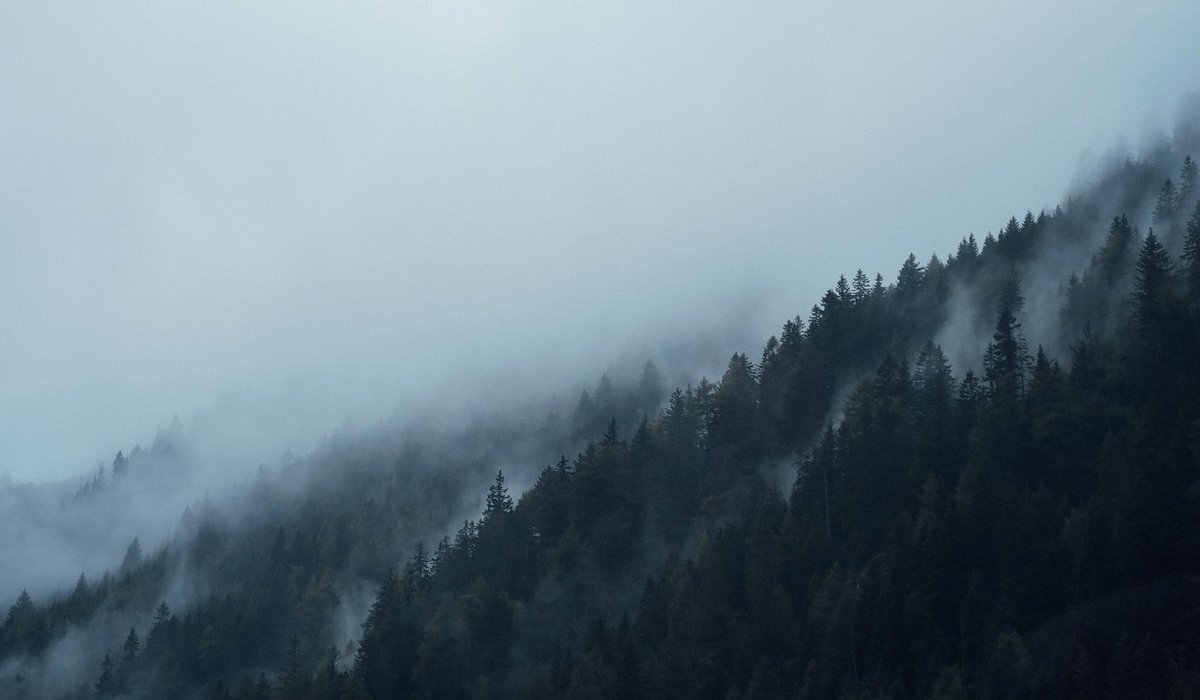
There is a particular kind of magic to a Scottish bothy. You will find them tucked into glens, perched above sea lochs, or clinging to the edge of a moor – simple stone buildings with no electricity, no running water, and no charge for the night. They are maintained by volunteers for walkers, climbers and anyone seeking shelter from the Highland weather. But a bothy is not a hotel. It is a shared refuge, and its survival depends on a simple code of etiquette that has been passed down for generations. Get it right, and you will leave knowing you have helped keep a small piece of Highland heritage alive.
The Bothy: A Shelter with a Story
Many bothies began life as shepherds' cottages, drovers' inns, or estate buildings. Some stand near the ruins of shielings – the summer huts where families once moved their cattle to the high pastures. Others lie on old drove roads, where cattle were walked south to markets, and where illicit stills once bubbled in secret. The walls have heard Gaelic songs, Jacobite whispers, and the howl of winter storms. When you step inside, you are stepping into a living history. Treat the building, and its stories, with respect.
Carry Out All Rubbish – Without Exception
The first rule of bothying is simple: if you carried it in, you carry it out. There are no bins, no bin collections, and no kind stranger who will tidy up after you. Rubbish left in a bothy attracts vermin, spoils the experience for others, and eventually leads to closures. Even biodegradable waste – apple cores, banana skins, tea bags – can take months to break down and looks unsightly. Bury human waste well away from water sources, and carry out sanitary products and toilet paper in a sealed bag. Leave the bothy as you would hope to find it: clean, dry, and ready for the next visitor.
- Take a bin bag for your own litter, plus a little extra for anything left behind.
- Never burn plastic, foil, or treated wood in the fire – the fumes are toxic.
- Check under bunks, behind the stove, and in the eaves before you leave.
- Spent candles, broken glass, and old batteries must go home with you.
Leave Fuel, Candles and Kindling for the Next Visitor
A bothy is only as warm as the last person's kindness. Before you leave, try to leave more than you found. Dry kindling, split logs, and a few candles can make the difference between a miserable night and a memorable one for someone arriving wet and cold. Never cut live trees or strip bark from standing wood. Collect dead wood from the ground, or carry in a bag of logs if you can. Tealights in a flat tin make excellent safe lighting, and a box of matches left on the shelf is a small but precious gift. Some bothy users leave a note in the bothy book, recording their stay and thanking the unknown benefactor who left fuel before them. That chain of generosity is the heart of bothy culture.
- Leave dry kindling in a dry place – not on the floor where it will get damp.
- A handful of candles and a box of matches are worth their weight in gold.
- Do not take fuel away with you, even if you bought it – leave it for the next person.
- If you find a stash of wood, use it sparingly and replace what you can.
Fire, Light and the Etiquette of Sharing
Bothies are communal by nature. You may arrive to find a solo walker, a group of climbers, or a family with children. Share the space, share the fire, and keep noise to a minimum after 11pm. Do not hog the stove or the best bunk. If the bothy is full, be prepared to sleep on the floor or move on. Fire safety is paramount: never leave a fire unattended, and make sure it is fully out before you sleep or leave. Use candles carefully – keep them away from sleeping bags and rucksacks. And remember the old tale of the bothy ghost, the figure who tends the fire at night and vanishes at dawn. Whether you believe it or not, leaving a candle burning for a while is a tradition that costs little and comforts much.
Walking In: Weather, Water and Midges
Reaching a bothy usually involves a long walk. Check the mountain weather forecast, tell someone your route and expected return time, and carry a map and compass. Do not rely on a phone signal. Water from streams is usually safe to drink in the high hills, but treat it if you are unsure. Midges can be ferocious from May to September, especially at dusk. A head net, repellent, and long sleeves are your friends. Folklore says the midge was created to keep humans humble – a reminder that the Highlands are not ours to conquer. Walk lightly, close gates behind you, and avoid disturbing wildlife. If you pass a fairy hill or a standing stone, a quiet nod to the old ways does no harm.
Folklore and Local History: Respect the Past
Bothies are often surrounded by echoes of the past. You might find the ruins of a clearance village, where families were evicted to make way for sheep. Or a drovers' road, worn smooth by hooves. Or a cairn marking a forgotten battle. Do not remove stones, disturb ruins, or take souvenirs. Leave ancient sites as you find them. If you discover something unusual, report it to the local heritage trust – but do not dig. And when you sit by the fire, tell a story. Share the tale of the kelpie by the loch, or the selkie who shed her skin. That is how Highland folklore survives: not in books, but in the voices of those who walk the glens and shelter in the bothies. Leave the place better than you found it, and the next visitor will feel the same magic you did.


Coding is used in almost all aspects of life and work now, be it directly or indirectly. It’s not just for companies in the tech sector. “An increasing number of businesses rely on computer code,
Coding is used in almost all aspects of life and work now, be it directly or indirectly. It’s not just for companies in the tech sector. “An increasing number of businesses rely on computer code,
Coding is used in almost all aspects of life and work now, be it directly or indirectly. It’s not just for companies in the tech sector. “An increasing number of businesses rely on computer code,