

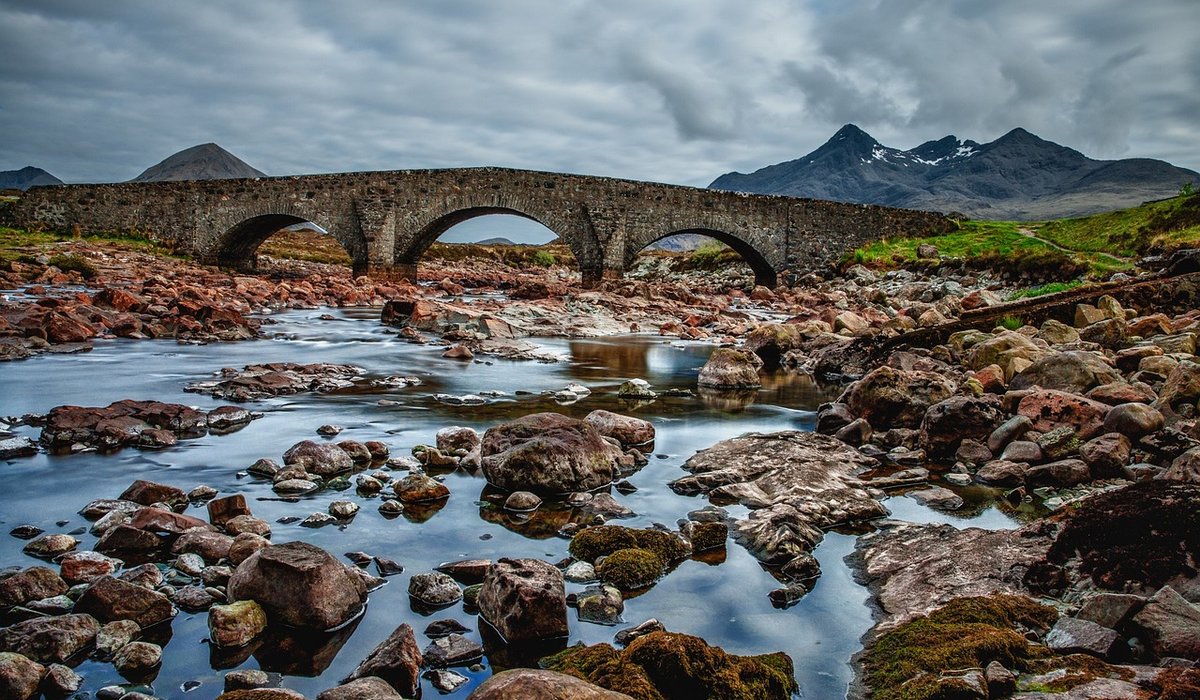
There is a moment just before sunrise on a Highland loch when the water holds its breath. The midges are not yet awake, the hills are a soft grey, and the first sound you hear is often the low, honking conversation of greylag geese. To see the loch at its best, be in place long before that moment — settled, still, and hidden. This is a quiet apprenticeship in patience.
Why the Early Hours Matter
Wildlife on a Highland loch follows the light. Otters fish most actively from first light until mid-morning. Divers — black-throated and great northern — are easiest to watch at dawn, when they are feeding and displaying. Greylag geese leave their roost on the water to graze nearby fields, often just after sunrise. By 9am, the show is largely over.
- Check the forecast. A light easterly wind often gives the calmest water on the western shore. Avoid bright, still mornings after a hard frost — birds can be late to move.
- Know the sunrise time. In midsummer, that can mean 4am. In winter, 8am. Plan your walk accordingly.
Reading the Water: Reeds, Banks and Islands
Reeds are the loch's living edge. They shelter otters and hide nesting grebes. A bank — even a low one — breaks your outline. Islands are the safest places for divers and geese, so scan them from a distance. Look for signs: a line of bubbles, a V-shaped wake, or a sudden splash that is not a fish.
- Spraint sites — otter droppings, often on flat rocks or tussocks.
- Diver diving times — great northern divers can stay under for over a minute. Count the seconds; it helps you predict where they surface.
- Greylag goose roosts — listen for the cackling chorus before you see them. They often fly in loose skeins.
Otters, Divers and Greylag Geese: What to Look For
Learn each species' rhythm.
- Otter. Look for a low, sinuous shape that slips into the water without a splash. They often hunt in a circuit, returning to the same rock to eat.
- Black-throated diver. In summer, a grey head, black throat, and a striking chequered back. They sit low in the water and dive with a small forward roll.
- Great northern diver. Larger, with a heavy, dagger-like bill. They often fish alone.
- Greylag goose. The ancestor of most farmyard geese. Listen for the loud, honking aahng-ung-ung.
Do not approach nests or chicks. If a bird alarms, you are too close. Back off slowly and sit down.
Hides, Banks and the Art of Sitting Still
A hide is a luxury, but you can make your own. The key is to break up your outline and keep low. Wear dark, dull clothing — no rustling waterproofs. Move slowly, and when you stop, stop completely. Otters have excellent hearing and a keen sense of smell, so keep downwind if you can.
- Arrive in silence.
- Sit for at least thirty minutes. The first ten minutes are for you to settle; the next twenty are for the wildlife to forget you.
- Use binoculars with 8x42 or 10x42 lenses. They gather light well at dawn. A spotting scope is useful for distant islands.
- No torches, no flash.
- Keep your camera silent. Turn off beeps and use electronic shutter if possible.
Folklore and History Around the Loch
These lochs are not empty landscapes. Gaelic place names record what happened here: Loch an Eilein means loch of the island; Coire na Cìche hints at a hill of the breast. Selkies, seal folk, belong more to the coast, but their stories travelled inland along drove roads.
Walking here, you follow old shieling paths and droving routes. Shielings were summer huts where women and children took cattle to high pasture. Local history is written in the walls, the stone dykes, and the lone rowan tree by the burial ground. Treat these places with respect: they are not just scenery.
A Walker's Guide: Paths, Weather and Respect
Come prepared for four seasons in one morning. A midge net is essential from June to August. Waterproof boots and gaiters help on boggy paths.
- Stay on paths. Erosion damages fragile moorland and disturbs nesting birds.
- Keep dogs on a short lead near water. Otters and divers see dogs as predators.
- Take all litter home. Including food scraps, which attract gulls and crows that raid nests.
- Leave gates as you find them.
If you see an otter, a diver, or a skein of greylag geese, count yourself lucky. Then sit still a little longer. The loch rewards those who wait.


Coding is used in almost all aspects of life and work now, be it directly or indirectly. It’s not just for companies in the tech sector. “An increasing number of businesses rely on computer code,
Coding is used in almost all aspects of life and work now, be it directly or indirectly. It’s not just for companies in the tech sector. “An increasing number of businesses rely on computer code,
Coding is used in almost all aspects of life and work now, be it directly or indirectly. It’s not just for companies in the tech sector. “An increasing number of businesses rely on computer code,